
Diabetic Foot Ulcer
Diabetic foot ulcers are open sores or wounds that commonly develop on the feet of individuals with diabetes. They are often caused by a combination of poor circulation and nerve damage (neuropathy), which impairs the body’s ability to heal. These ulcers can become serious if left untreated, leading to infections, hospitalization, or even amputation.
Early detection and treatment of diabetic foot ulcers are crucial. Proper care not only accelerates healing but also prevents complications, improving overall quality of life. At Corecare health, our team specializes in advanced wound care to provide the best outcomes for our patients.
Symptoms & signs
Diabetic foot ulcers often develop on the feet due to poor circulation and nerve damage from diabetes. Early symptoms include redness, swelling, or a wound that doesn’t heal. Recognizing these symptoms early is critical for effective treatment and recovery.

Common Indicators
• Redness or Swelling: Surrounding skin may appear inflamed or feel warm to the touch.
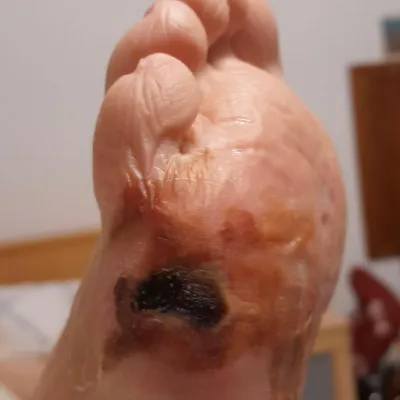
• Open Wounds: A visible sore or ulcer, often on the sole or sides of the foot.
• Drainage or Discharge: Pus or other fluids may seep from the wound.
• Pain or Discomfort: Some patients report tenderness, while others, due to neuropathy, may feel no pain at all.
• Odor: A foul smell can indicate infection.
• Skin Changes: Thickened, calloused skin or discoloration around the ulcer.
Stages of Development
• Pre-Ulcer Stage: Skin thickens or becomes calloused.
• Open Ulcer Stage: The sore deepens into the layers of skin.
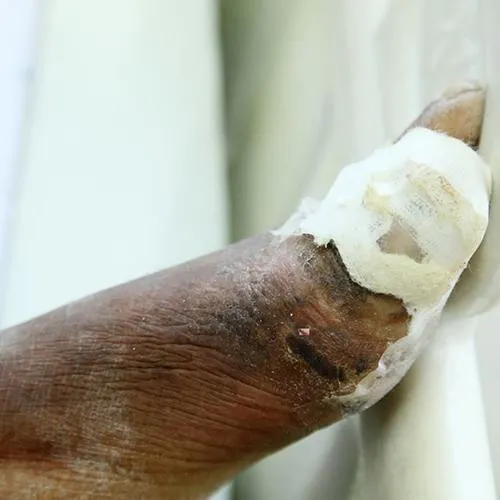
• Infected Ulcer Stage: Without proper care, the wound may become infected, posing a risk of severe complications.
Underlying Causes
• Neuropathy: Damage to nerves reduces sensation, making injuries go unnoticed.
• Peripheral Artery Disease (PAD): Poor blood flow hinders the delivery of nutrients and oxygen essential for healing.
• Pressure Points: Ill-fitting shoes or repeated pressure on certain areas of the foot can lead to sores.
Risk Factors
• Prolonged Diabetes: Long-term high blood sugar weakens blood vessels and immune responses.
• Smoking: Smoking worsens circulation and delays healing.
• Obesity: Excess weight increases pressure on the feet.
• Poor Foot Hygiene: Neglected foot care can escalate minor issues into serious wounds.
Contact Us
We provide comprehensive care for a wide range of wounds,
ensuring each patient receives the specific treatment their condition requires.